


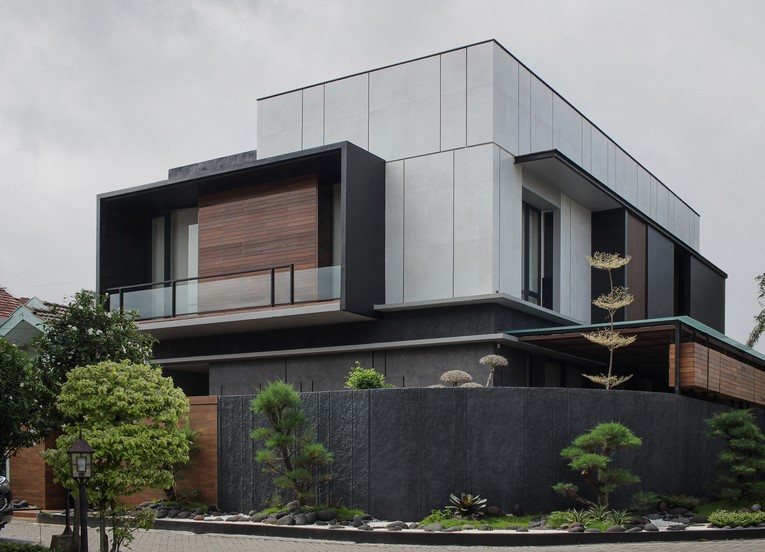
As of 2026, biophilic design has become one of the most influential approaches in architecture, shaping how buildings are designed to support both environmental sustainability and human well-being. Rather than treating buildings as isolated structures, this concept emphasizes harmony between the built environment and nature.
In practice, combining with advanced materials such as enables architects to create spaces that are both visually appealing and highly functional. This article explores how these elements come together across residential, commercial, and industrial contexts.
Understanding Biophilic Design in Contemporary Architecture
At its core, focuses on reconnecting people with nature through architectural elements.
Key features include:
- Access to natural light
- Integration of greenery and water elements
- Use of natural textures and materials
- Improved airflow and ventilation
This approach is often integrated into broader sustainability strategies, ensuring that buildings are not only efficient but also supportive of occupant well-being.
In many projects I’ve reviewed, the success of biophilic design depends on how well it is integrated into the structure—not just added as a decorative feature.
The Role of Colorbond Steel in Modern Design
Material selection is critical in achieving both aesthetic and functional goals.
is widely used in modern architecture due to its:
- Durability in various weather conditions
- Resistance to corrosion
- Low maintenance requirements
- Versatile design options
These properties make it suitable for projects that aim to combine biophilic design with long-term performance.
Additionally, innovations such as colorbond thermatech technology help reflect heat, improving energy efficiency in buildings located in warm climates.
Biophilic Design in Residential Spaces
In residential architecture, biophilic principles are increasingly applied to create healthier living environments.
Typical applications include:
- Open layouts that maximize natural light
- Indoor gardens and green courtyards
- Natural ventilation systems
- Use of materials like wood and metal
Incorporating inspirations allows homeowners to explore design ideas that balance modern aesthetics with natural elements.
The use of colorbond wall cladding in homes can also enhance both durability and visual consistency.
Enhancing Commercial Spaces with Biophilic Principles
Commercial buildings, including offices and retail spaces, benefit significantly from biophilic design.
Key advantages include:
- Improved employee productivity
- Enhanced customer experience
- Reduced energy consumption
- Better indoor air quality
Materials like are often used in colorbond cladding applications to create clean, modern facades that integrate well with natural elements.
From my observation, businesses increasingly see design as a strategic asset, not just a functional requirement.
Biophilic Design in Industrial Architecture
Industrial facilities are also adopting biophilic strategies to improve efficiency and worker well-being.
Applications include:
- Natural lighting systems to reduce electricity use
- Ventilation designs that improve air quality
- Integration of outdoor spaces for employees
Using colorbond steel for roofing and wall systems ensures durability while supporting sustainable practices.
This combination of functionality and environmental awareness is becoming more common in modern industrial projects.
The Importance of Cladding in Sustainable Design
Cladding plays a key role in both aesthetics and performance.
Colorbond Indonesia wall cladding offers:
- Protection against weather and corrosion
- Thermal efficiency
- Flexibility in design
- Long-term durability
When integrated with biophilic elements, cladding can help create a seamless transition between indoor and outdoor environments.
This is particularly important in tropical regions, where climate conditions require careful material selection.
Trends in Biophilic and Material Innovation (2026)
Several trends are shaping the future of architecture:
1. Integration of natural and engineered materials
Architects are combining traditional elements with advanced materials like .
2. Focus on energy efficiency
Technologies such as colorbond thermatech are being used to reduce heat absorption.
3. Expansion of modular and flexible design systems
Buildings are designed to adapt to changing needs over time.
4. Increased emphasis on sustainability
Design decisions are guided by long-term environmental considerations.
These trends highlight the growing importance of combining innovation with practical design strategies.
Integrating Biophilic Design into Urban Environments
Urban areas present unique challenges, including limited space and high energy demand.
Biophilic strategies help address these challenges through:
- Vertical gardens and green walls
- Rooftop gardens
- Natural lighting optimization
- Use of durable materials
Incorporating into urban architecture improves livability while maintaining efficiency.
Materials like support these efforts by providing reliable performance in dense environments.
Conclusion: A Balanced Approach to Modern Architecture
Biophilic design represents a shift toward more human-centered and environmentally conscious architecture.
To achieve the best results, consider the following:
- Use principles to enhance well-being
- Select durable materials like for long-term performance
- Explore ideas from for inspiration
- Integrate colorbond cladding and colorbond wall cladding for both function and aesthetics
In my view, the most effective architectural solutions are those that balance sustainability, performance, and user experience.
FAQ
What is biophilic design?
It is an architectural approach that integrates natural elements into buildings to improve well-being.
Why is colorbond steel commonly used?
It offers durability, low maintenance, and flexibility in design.
What is colorbond thermatech?
It is a technology that helps reflect heat, improving energy efficiency.
Can biophilic design be used in industrial buildings?
Yes, it can improve lighting, ventilation, and overall working conditions.
What role does cladding play in architecture?
Cladding protects buildings and enhances both performance and appearance.