


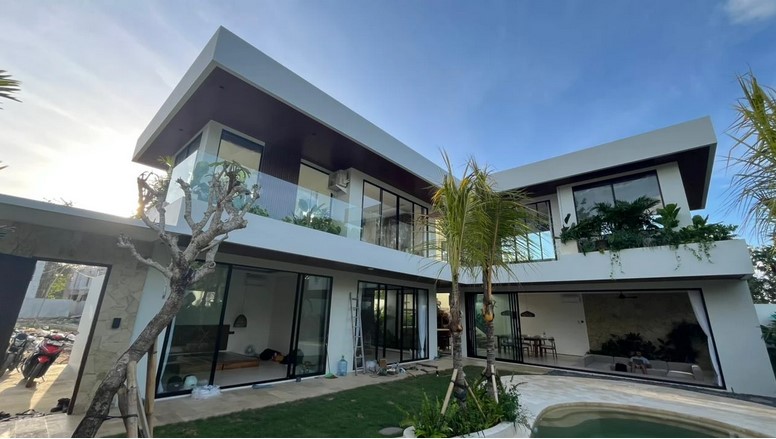
Bali has a rare quality that very few places on earth share. It doesn’t just inspire people to visit, it inspires them to stay. To build. To create a home that reflects not just who they are, but who they want to become. And nowhere is that creative aspiration more fully expressed than in the design of a private Balinese villa.
A villa in Bali is not merely a property. It is a curated living environment where every design decision, from the structural bones of the building to the grain of the teak dining table, contributes to an experience that is greater than the sum of its parts. And for those who approach it with intention, the process of designing a Bali villa is one of the most creatively rewarding undertakings a homeowner or investor can pursue.
This guide explores that process through the lens of furniture design: how the choices you make about materials, form, proportion, and craft in your interior furnishings must be understood in direct conversation with the architectural space that surrounds them.
Why Bali Produces the World’s Most Distinctive Villa Interiors
There is a reason that Bali’s design aesthetic has influenced interior designers, furniture makers, and architects across the globe for decades. It is not simply the beauty of the island’s natural materials, though they are extraordinary. It is the underlying philosophy.
Balinese design is rooted in Tri Hita Karana, the pursuit of harmony between humanity, nature, and the spiritual world. This principle doesn’t operate as a stylistic constraint. It operates as a creative compass. Every choice, from the height of a ceiling to the placement of a water feature to the selection of a hand-carved headboard, is understood as a contribution to the overall harmony of the space.
The result is an interior design tradition that is simultaneously deeply ancient and endlessly contemporary. Balinese furniture and architecture have been reinterpreted by some of the world’s finest designers precisely because the underlying principles are so timeless.
The Furniture Language of a Bali Villa
Understanding how to furnish a Balinese villa requires first understanding the architectural vocabulary it inhabits. The two are inseparable.
Reclaimed Teak: The Foundation of Bali’s Furniture Identity
No material defines Bali villa interiors more completely than reclaimed teak. Sourced primarily from dismantled traditional Javanese structures, old rice barns, colonial-era buildings, century-old homes, antique teak carries a density, colour depth, and grain character that new-growth timber simply cannot replicate.
In a villa context, reclaimed teak appears everywhere: structural columns that double as sculptural elements, dining tables with surfaces worn smooth by generations of use, bed frames with hand-carved detailing, louvred doors that filter the afternoon light into patterns on a stone floor. The material’s dark warmth anchors a space while its natural imperfections, knots, grain variations, the marks of its previous life, give interiors a sense of authenticity that manufactured pieces cannot achieve.
When selecting teak furniture for a Bali villa, the critical questions are provenance (genuine reclaimed versus new teak artificially aged), joinery quality (traditional mortise-and-tenon construction holds far better in Bali’s humidity than modern adhesives), and finish (tung oil or natural wax rather than polyurethane, which traps moisture and peels in tropical climates).
Paras Stone and Natural Stone Elements
Paras, a soft, warm-toned Balinese limestone, is to Bali’s hard furnishings what teak is to its timber pieces. Used for console tables, bathroom vanities, decorative vessels, and carved accent pieces, paras brings an organic solidity to interiors that synthetic alternatives cannot approach.
Over time, paras develops a beautiful patina. Moss colonises shaded exterior surfaces. Indoor pieces take on a warm honey tone where touched repeatedly. This is material that becomes more itself with age, a quality deeply aligned with Balinese design philosophy.
For furniture applications, paras is best understood as a complementary material rather than a primary one. A paras console beneath a reclaimed teak mirror. A carved paras vessel beside a hand-woven rattan chair. Stone and timber in dialogue, each making the other more legible.
Rattan and Bamboo: Structure Meets Lightness
Where teak provides weight and permanence, rattan and bamboo provide lightness, flexibility, and a sense of casual ease that balances the heavier elements of a Bali villa interior. Well-crafted rattan furniture, not the mass-produced variety, but pieces made by skilled artisans with properly seasoned cane, is extraordinarily durable in tropical conditions and develops a beautiful silver-grey patina when used outdoors.
In contemporary Bali villa design, rattan and bamboo pieces are used to introduce visual breathing room. A pair of rattan lounge chairs beside a plunge pool. A bamboo daybed on a covered terrace. Woven bamboo panels used as room dividers that filter light while maintaining a sense of openness.
The key design principle: never use rattan and bamboo as the primary furniture statement in a luxury villa. They perform best as counterweights to heavier, more substantial pieces.
Handwoven Textiles as Furniture’s Emotional Layer
A piece of furniture is completed by what covers it. In Bali, the textile tradition is extraordinarily rich, ikat weaving, batik, songket, and hand-loomed cotton in colours and patterns derived from centuries of artistic practice.
For villa interiors, locally sourced textiles, used as cushion covers, bed runners, throw blankets, and decorative wall pieces, do something that imported fabrics cannot. They connect the interior to its place. A cushion woven in the ikat tradition of neighbouring Nusa Tenggara introduces a thread of cultural authenticity that no European fabric house can replicate, regardless of quality.
The practical consideration: natural fibres breathe better in tropical humidity than synthetic alternatives. Linen, cotton, and silk all perform well in Bali’s climate. Polyester-heavy fabrics trap moisture, develop odour, and deteriorate visibly within a season.
Designing the Key Rooms: Furniture Decisions That Define the Villa Experience
The Living Pavilion
The central living space of a Bali villa, often an open-sided bale or joglo structure, presents a furniture design challenge that is unique to tropical architecture. Without walls, the furniture itself must define the spatial boundaries of the room. The arrangement of a sofa group, a coffee table, and occasional chairs must create a sense of enclosure and intimacy within a structure that deliberately refuses to be enclosed.
The furniture pieces that work best in this context share certain characteristics: they are substantial enough to anchor the space visually, low enough to sit comfortably beneath dramatic rooflines, and crafted from materials that read naturally against a backdrop of sky and garden. A deep, custom-upholstered sofa in a warm linen fabric, flanked by reclaimed teak side tables and a hand-carved stone coffee table, anchored by a large hand-knotted wool rug, this combination does the spatial work that walls would otherwise do.
The Master Bedroom
The master bedroom in a well-designed Bali villa is the room that guests remember longest. The furniture arrangement here is rarely complex, a generous four-poster bed, two bedside tables, a writing desk, a daybed or chaise near the garden-facing opening. The power comes from the quality and character of each piece individually, and the restraint of the overall arrangement.
The four-poster bed is the defining piece. In Bali, this almost always means hand-carved reclaimed teak with a canopy of hand-embroidered white cotton voile. The bed should be generous, at minimum a king, ideally custom-made to command the room without overcrowding it. The headboard, the posts, and the carved details are where the craftsmanship conversation happens.
Everything else in the room should support the bed, not compete with it. Simple bedside tables with a single drawer and a shelf. A writing desk that doubles as a dressing surface. Adequate storage, built into the architecture if possible, rather than introduced as freestanding wardrobes that interrupt the spatial flow.
The Outdoor Living Areas
In a Bali villa, the outdoor living areas are often used more than the indoor ones. The covered terrace beside the pool, the garden sala, the rooftop viewing platform, these spaces deserve the same furniture design rigour as any interior room.
The primary design challenge outdoors is durability. Materials need to withstand intense UV exposure, seasonal torrential rain, and the ongoing humidity that never entirely relents even in the dry season. The best outdoor furniture for a Bali villa is either teak (properly oiled twice yearly), powder-coated aluminium with UV-stable cushion fabrics, or synthetic rattan over a marine-grade aluminium frame. Anything less will need replacing within three years.
The secondary design challenge is comfort. Outdoor furniture that looks beautiful in a catalogue photograph but cannot actually be sat in for extended periods defeats the entire purpose. Cushion depth matters. Back angle matters. The ability to recline matters. A villa guest who cannot comfortably read a book beside the pool for two hours has been let down by a furniture decision that prioritised appearance over experience.
The Construction Foundation That Makes Great Villa Furniture Possible
Here is a truth that furniture designers and interior architects understand intimately, but that villa owners sometimes discover too late: the best furniture in the world cannot rescue a poorly constructed space.
Floor levels that are not truly level make furniture placement awkward and visually unsettling. Ceiling heights that were not carefully planned leave statement pieces feeling cramped. Structural columns placed without consideration of furniture arrangement force compromises that accumulate throughout the interior. Electrical points installed without reference to lighting design leave floor lamps trailing cables across stone floors.
The relationship between furniture and architecture is not sequential, furniture design following construction completion. It is simultaneous. The best Bali villas are designed holistically, with furniture layouts informing structural decisions from the earliest planning stages.
This is one of the most compelling reasons to work with an experienced Bali villa contractor from the outset, not after the structure is complete and the interior design constraints have already been locked in, but at the point where structural decisions are still fluid and the conversation between architecture and interior design can genuinely shape the outcome.
Sourcing Furniture for Your Bali Villa: Where Craft Still Lives
Bali and the surrounding islands remain one of the world’s great furniture-making regions. The concentration of skilled craftspeople, carpenters, weavers, stonemasons, metalworkers, within a relatively small geographic area is extraordinary, and the tradition of quality craftsmanship, while under pressure from mass production, is still very much alive for those who know where to look.
Ubud and its surrounds remain the heart of Bali’s fine craft tradition. Woodcarvers, painters, and textile artists working in the Ubud area represent a continuity of craft practice that extends back centuries.
Seminyak’s design district has emerged as the island’s contemporary furniture design hub, with a concentration of showrooms and workshops producing pieces that synthesise traditional Balinese craft with contemporary international design language.
Jepara, Java, a short ferry crossing away, is Indonesia’s furniture-making capital, producing extraordinary custom teak pieces at price points that reflect the genuine labour and material investment involved without the retail margin of a Western import.
For those building a villa and furnishing it simultaneously, the logistics of furniture procurement can be managed as part of the overall construction project by a well-organised villa construction and design team in Bali, coordinating furniture delivery and installation with the construction programme to ensure that pieces arrive when the space is ready to receive them, not months before or after.
Investment Perspective: How Furniture Quality Affects Villa Rental Performance
For villa owners who intend to generate rental income from their property, whether full-time or part-time, furniture quality is not an aesthetic indulgence. It is a direct commercial decision.
The luxury villa rental market in Bali is highly visual. Guests make booking decisions based primarily on photography, and the photography is made or broken by the quality and character of the furniture and interior styling. A villa with exceptional architecture but undistinguished furniture will underperform a comparable villa with thoughtful, high-quality interiors every time.
Beyond photography, furniture quality affects guest reviews, and in the Bali villa rental market, reviews are the primary driver of booking velocity. Guests notice when furniture is uncomfortable. They notice when a dining table wobbles. They notice when outdoor cushions are mildewed from inadequate material selection. These details accumulate into review scores that directly determine the commercial performance of the property.
The economics are straightforward: investing correctly in furniture at the time of construction, working with a professional Bali villa builder who understands the rental market and can advise on specifications that balance beauty, durability, and guest experience, generates returns that compound over the life of the rental programme.
Conclusion: Design as a Unified Vision
The finest Bali villas are not the product of a series of separate decisions, architecture decided first, then construction, then interior design, then furniture. They are the product of a unified vision, held consistently across every phase of the project, in which every decision about space, material, light, and craft is understood as part of a single coherent intention.
For those embarking on this journey, the quality of the partners you choose at each stage is everything. The architect who understands Bali’s design tradition as well as contemporary spatial design. The interior designer who knows where to find the island’s finest craftspeople. And the construction team whose technical capability is matched by a genuine appreciation for the design outcome they are building toward.
When these elements align, the result is something that transcends property investment or holiday accommodation. It becomes a home, one that tells a story about its place, its materials, and the person who had the vision to bring it into being.
This article is part of an ongoing series on furniture design, residential architecture, and the craft traditions shaping the world’s most distinctive living spaces.